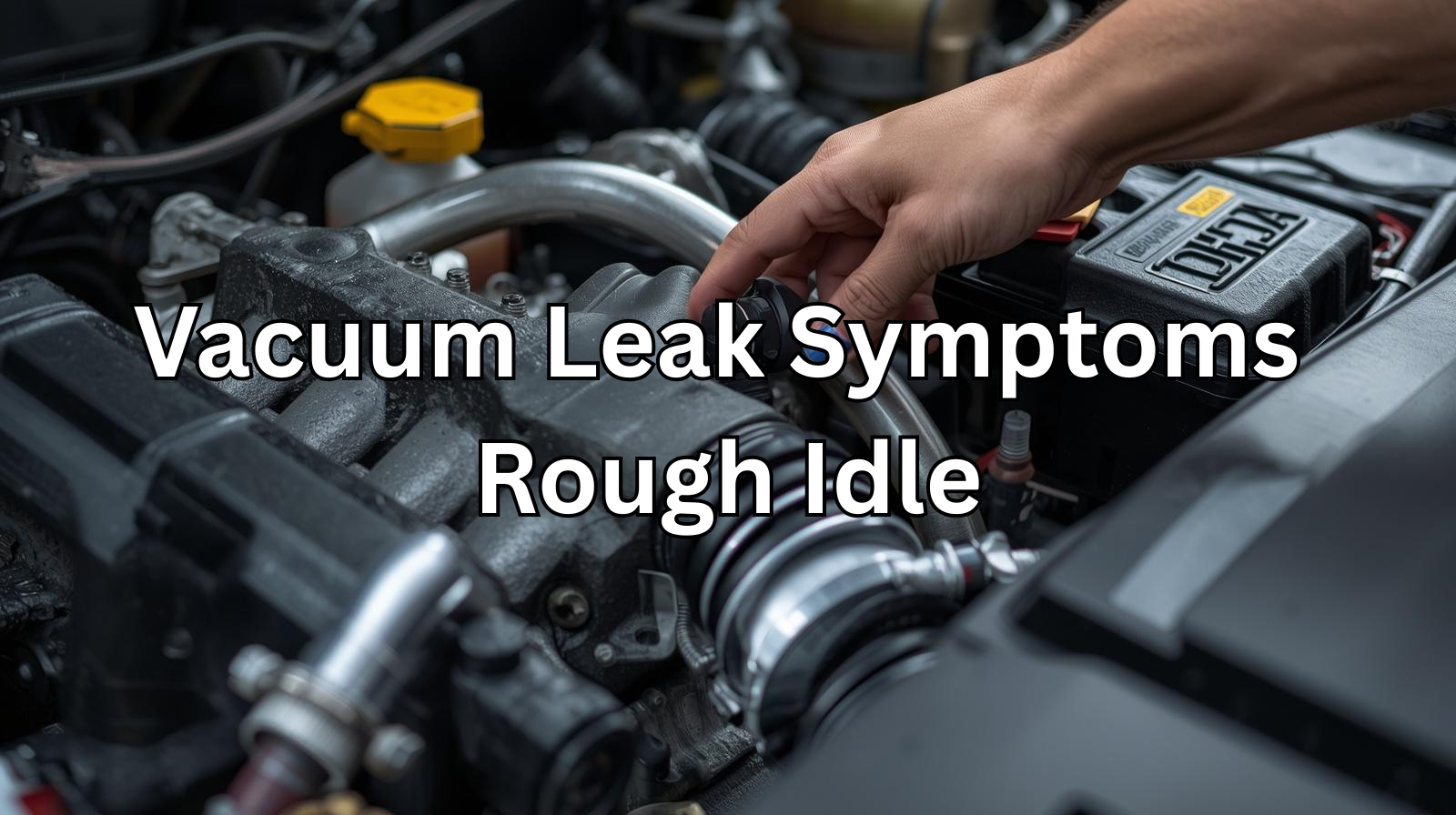
Vacuum Leak Symptoms — Rough Idle, Hesitation & Poor Acceleration Causes Explained (Complete DIY Guide)

Vacuum Leak Symptoms — Rough Idle, Hesitation & Poor Acceleration Causes Explained (Complete DIY Guide)
Vacuum leaks are one of the most common causes of rough idle, hesitation, poor acceleration and engine management faults in modern vehicles. Despite being small and often hidden, vacuum leaks can significantly disrupt engine performance by allowing unmetered air into the intake system.
If your vehicle is showing hesitation, unstable idle or unexpected loss of power, understanding vacuum leaks is essential for accurate diagnosis and effective repair.
What Is a Vacuum Leak?
A vacuum leak occurs when air enters the engine intake system through an unintended path such as a cracked hose, failed gasket or loose connection. Because this air bypasses measurement sensors, it disrupts the carefully controlled air-fuel mixture required for efficient combustion. :contentReference[oaicite:0]{index=0}
This excess air typically causes the engine to run lean, leading to drivability problems, emissions faults and reduced efficiency.
Why Vacuum Leaks Cause Engine Problems
Modern engines rely on precise airflow measurement and vacuum control to regulate fuel delivery, ignition timing and emissions systems. When vacuum pressure is lost, sensors detect discrepancies and the ECU attempts to compensate, often unsuccessfully.
Unmetered air entering the intake system alters the air-fuel balance and can trigger hesitation, misfires or stalling as the engine struggles to maintain stable combustion. :contentReference[oaicite:1]{index=1}
Common Vacuum Leak Symptoms
1. Rough or High Idle
A vacuum leak frequently causes unstable idle because excess air bypasses the throttle body, making it difficult for the engine to maintain consistent RPM. :contentReference[oaicite:2]{index=2}
2. Hesitation or Poor Acceleration
Lean mixture conditions caused by vacuum leaks can lead to hesitation or sluggish acceleration, particularly during throttle input. :contentReference[oaicite:3]{index=3}
If you are experiencing hesitation alongside airflow faults, see: Car Hesitation & Air Intake Problems Guide
3. Engine Stalling
Large leaks can disrupt combustion stability, causing the engine to stall when idling or slowing down.
4. Check Engine Light
Vacuum leaks often trigger lean mixture fault codes such as P0171 or P0174 due to altered fuel trims. :contentReference[oaicite:4]{index=4}
5. Hissing or Whistling Noise
A distinctive hissing sound is one of the most recognisable symptoms and indicates air being drawn through a leak. :contentReference[oaicite:5]{index=5}
6. Poor Fuel Economy
Incorrect air-fuel ratios reduce combustion efficiency, increasing fuel consumption.
7. Misfires or Rough Running
Lean conditions caused by leaks can result in incomplete combustion and engine misfires.
Vacuum Leak vs Boost Leak vs MAF Fault
Because these faults share symptoms, distinguishing them is critical.
- Vacuum leak: Rough idle, lean codes, hissing at idle
- Boost leak: Power loss under load, turbo lag, whistle during acceleration
- MAF fault: General performance issues, inconsistent fuelling
For deeper comparison, see:
Common Causes of Vacuum Leaks
- Cracked vacuum hoses
- Disconnected lines
- Intake manifold gasket failure
- PCV valve leaks
- Brake booster leaks
- Throttle body gasket faults
- EGR system leaks
Vacuum hoses degrade over time due to heat exposure and engine vibration, making them frequent failure points.
DIY Vacuum Leak Diagnosis Guide
Step 1 — Visual Inspection
Inspect hoses, connectors and gaskets for visible damage or disconnection.
Step 2 — Listen Test
Start the engine and listen for hissing noises around intake components.
Step 3 — Spray Test
Lightly spraying suspect areas can reveal leaks if idle speed changes.
Step 4 — Smoke Test
Smoke testing remains one of the most reliable methods for locating hidden leaks. :contentReference[oaicite:6]{index=6}
Step 5 — Scan Tool Fuel Trim Analysis
High positive fuel trims often indicate excess air entering the system.
DIY Vacuum Leak Repair Options
- Replace cracked hoses
- Reconnect loose lines
- Install new intake gaskets
- Repair PCV system components
- Replace damaged vacuum caps
Many repairs are inexpensive yet can dramatically improve engine performance.
Preventing Vacuum Leaks
- Inspect hoses during servicing
- Replace ageing rubber components
- Monitor intake oil contamination
- Secure hose connections
- Address overheating issues
Parts Used & Related Components
If diagnosis confirms a vacuum leak or intake system fault, explore replacement parts below:
- Engine Parts — sensors, hoses and intake components
- Service & Maintenance — filters and consumables
- Transmission & Drivetrain — supporting components
Using quality replacement components helps restore proper vacuum integrity and ensures long-term engine reliability.
Final Thoughts
Vacuum leaks are small faults with large consequences. Because they allow unmetered air into the intake system, they can cause rough idle, hesitation, poor fuel economy and engine management warnings that closely resemble other faults.
By understanding symptoms, inspecting vacuum components and performing systematic diagnostics, drivers can identify and resolve vacuum leaks efficiently.
When combined with knowledge of airflow, boost and sensor behaviour, vacuum leak diagnosis becomes a powerful skill for confident DIY vehicle troubleshooting.
 75
75
 20
20


