
MAP Sensor Symptoms — How a Faulty Manifold Absolute Pressure Sensor Causes Hesitation, Power Loss & Limp Mode
The Manifold Absolute Pressure (MAP) sensor plays a critical role in modern engine management systems by measuring intake manifold pressure and helping calculate engine load. When this sensor fails or provides inaccurate readings, drivers may experience hesitation, poor acceleration, rough idle or limp mode.
Because MAP sensor problems often mimic airflow and vacuum faults, understanding their symptoms and diagnosis is essential for accurate troubleshooting.
What Is a MAP Sensor?
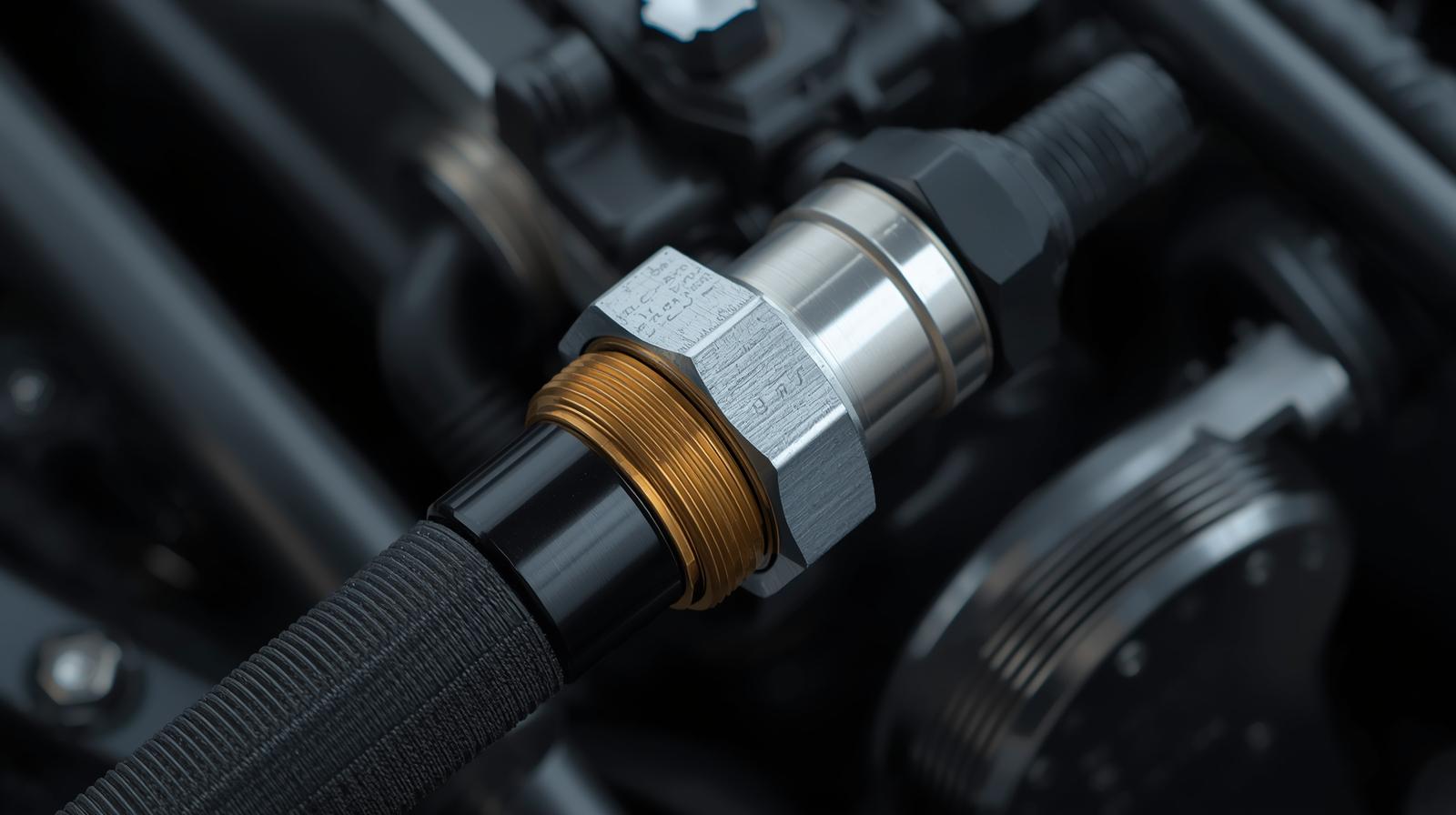
The MAP sensor measures pressure inside the intake manifold and sends this information to the engine control unit (ECU). The ECU uses this data to determine engine load, adjust fuel injection and optimise ignition timing.
In vehicles without a Mass Air Flow sensor, the MAP sensor is especially important for calculating air density and fuel requirements.
For comparison with airflow-based measurement systems, see our detailed MAF sensor symptoms guide.
How MAP Sensor Failure Affects Engine Performance
Because the MAP sensor directly influences fuelling and ignition calculations, incorrect readings can cause multiple drivability problems including:
- Incorrect air-fuel mixture
- Engine hesitation
- Reduced power
- Poor fuel economy
- Idle instability
- Limp mode activation
These symptoms often overlap with intake system faults discussed in our air intake problems diagnosis guide.
Common MAP Sensor Symptoms
1. Hesitation During Acceleration
One of the earliest signs of MAP sensor malfunction is hesitation or delayed throttle response. Incorrect pressure readings cause improper fuel delivery, resulting in sluggish performance.
2. Rough Idle
Inaccurate manifold pressure data can disrupt idle stability, producing fluctuating RPM or vibration.
If rough idle occurs alongside hissing sounds, also consider vacuum leak symptoms.
3. Loss of Engine Power
Incorrect engine load calculation limits performance and may cause reduced boost or delayed acceleration.
Turbo vehicles may also experience similar symptoms due to boost leaks.
4. Poor Fuel Economy
MAP sensor errors can cause the engine to run rich or lean, increasing fuel consumption.
5. Hard Starting
Engine load estimation errors during startup may result in difficult starting or extended cranking.
6. Check Engine Light
Common MAP-related diagnostic codes include P0105–P0109.
7. Limp Mode
When sensor readings fall outside expected ranges, the ECU may reduce engine performance to prevent damage.
MAP Sensor vs MAF Sensor — Understanding the Difference
Although both sensors contribute to airflow management, they operate differently.
- MAF sensor: measures incoming air volume
- MAP sensor: measures intake manifold pressure
Vehicles may use one or both sensors depending on engine design. Understanding these differences can prevent misdiagnosis and unnecessary parts replacement.
For a complete airflow measurement explanation, see our MAF sensor fix guide.
Common Causes of MAP Sensor Failure
- Carbon contamination
- Oil residue in intake system
- Electrical connector issues
- Vacuum hose damage
- Sensor ageing
- Water ingress
Contamination from poor air filtration can accelerate sensor failure, which is why regular maintenance is important. See our dirty air filter symptoms guide for prevention insights.
DIY MAP Sensor Diagnosis Guide
Step 1 — Scan for Codes
Use an OBD scanner to check for MAP-related fault codes.
Step 2 — Visual Inspection
Inspect sensor housing, wiring and vacuum connections.
Step 3 — Connector Check
Ensure secure electrical connection.
Step 4 — Live Data Monitoring
Compare manifold pressure readings with expected values.
Step 5 — Vacuum System Inspection
Leaks can affect MAP readings, so vacuum system checks are essential.
Cleaning vs Replacing a MAP Sensor
Cleaning may help when contamination is present, but replacement is recommended when:
- Fault codes persist
- Electrical faults exist
- Physical damage occurs
- Performance issues remain
Preventing MAP Sensor Problems
- Replace air filters regularly
- Inspect intake components
- Address vacuum leaks promptly
- Maintain PCV system
- Avoid water ingress
Parts Used & Related Components
If diagnosis confirms MAP sensor or intake system faults, explore replacement parts below:
- Engine Parts — sensors and intake components
- Service & Maintenance — filters and consumables
- Transmission & Drivetrain — supporting components
Using quality replacement parts helps restore accurate engine load measurement and improve overall vehicle performance.
Final Thoughts
MAP sensor faults can cause a wide range of drivability issues that overlap with airflow, vacuum and boost problems. Understanding sensor function and performing systematic diagnostics helps prevent unnecessary repairs and ensures accurate troubleshooting.
By combining knowledge of MAP sensors with broader intake system diagnostics, drivers can identify performance issues confidently and maintain reliable vehicle operation.
 75
75
 20
20